
If rain leaves ruts in your gravel, puddles along your driveway, or a muddy entrance, adding another load of stone may seem like the obvious answer. Sometimes surface maintenance helps. Sometimes the larger issue is driveway drainage: where water enters, how it crosses the property, and where it can leave.
October offers a useful opportunity to observe those patterns before planning winter access or a future construction project. Falling leaves may also make existing drainage features harder to see. A short inspection can help you explain the problem clearly when you contact an excavation contractor.
For property owners in Lancaster and Central Kentucky, the goal is not to design a drainage system from a checklist. It is to recognize warning signs, document them, and prepare for a site-specific solution.
Start With the Water, Not the Gravel
A driveway is part of a larger landscape. Water may arrive from an uphill field, roof discharge, an adjacent slope, or a road-side ditch. What looks like a driveway problem can start well outside the damaged section.
From a safe position, note where water first reaches the drive. Does it travel along the wheel tracks? Does it cross at one low point? Does it collect beside the garage?
Then look at where it goes next. A drainage improvement needs a suitable outlet, not simply a trench that moves the puddle a few feet away. Sending water toward a building or neighboring property can create a new problem.
Do not enter flowing water, climb into culverts, or stand near unstable edges to investigate. Photographs from a safe location are enough to begin a professional conversation.
Five Signs Your Driveway Needs a Closer Assessment
The same ruts return after maintenance
A driveway that develops the same channels after repeated repairs deserves attention. If the surface is replenished but water continues using the same path, the underlying flow pattern may remain unresolved.
Take pictures before and after maintenance. These comparisons help a contractor distinguish isolated wear from repeated erosion and identify the areas that need investigation.
Water pools beside the drive
A puddle does not automatically mean a French drain is needed. The cause might involve a low area, obstructed drainage, runoff from another part of the property, or the driveway’s shape.
Record how long the water remains and whether nearby areas also stay wet. Those observations are more useful than immediately selecting a drainage product.
Gravel collects at the bottom of a slope
Loose stone gathering downhill may indicate that water is moving material from the driveway. Note whether the movement happens across the whole width or in a concentrated path.
Slope, surface condition, and contributing runoff all matter. A contractor can consider those factors together rather than treating the displaced gravel as a separate cosmetic issue.
A culvert inlet is obscured or damaged
Leaves, branches, sediment, or visible damage can affect a culvert’s function. Observe the inlet and outlet without entering either opening or attempting excavation yourself.
A culvert is more than a pipe beneath a drive. Its position, condition, and connection to surrounding drainage influence how it performs. Replacing it with a larger pipe without assessment is not always the answer.
Runoff approaches a structure
Water near a garage, foundation, or outbuilding warrants a prompt professional review. Explain the location and any signs of moisture inside the building.
An excavation contractor may need to coordinate with other qualified professionals depending on the concern. A visible water path does not establish whether structural or building-envelope repairs are also needed.
Why Fall Inspection Helps With Planning
October is useful because you can review access needs before busier holiday schedules or a planned building project. It also gives you time to gather information instead of requesting work with only a vague description.
Inspect after ordinary rainfall when it is safe, then compare what you see with conditions on a dry day. One exceptional storm does not tell you everything about normal performance.
Avoid treating the calendar as a construction guarantee. Wet ground, equipment access, material availability, project scope, and permissions can affect when work is feasible.
An early conversation helps establish priorities. You may need a maintenance visit, a drainage assessment, or a larger driveway and site-preparation plan.
Maintenance and Drainage Improvements Solve Different Problems
Clearing loose leaves from an accessible surface feature is different from reshaping a driveway or excavating a channel. Similarly, grading the surface may improve its condition without addressing water arriving from uphill.
Ask the contractor to explain which parts of the proposal are maintenance and which change the drainage pattern. That distinction helps you understand what the work is intended to accomplish.
Siteworx offers drainage services alongside driveway, culvert, and excavation work. These related services can be considered together when a property needs more than a surface refresh.
The right combination depends on the actual site. Do not assume every wet driveway requires underground drainage, and do not assume gravel alone will resolve ongoing runoff.
What a Contractor Needs to Know Before Recommending Work
How the driveway is used
Daily passenger vehicles, deliveries, farm equipment, and construction traffic create different access needs. Explain the heaviest or widest vehicles that normally use the drive.
Mention turning areas, gates, steep sections, and places where vehicles already struggle. The drainage plan should be considered alongside practical access.
What has already been tried
List previous gravel deliveries, grading, pipe replacements, or drainage repairs. Include approximate dates and whether the improvement lasted.
This history can prevent repeating a short-lived fix. It may also reveal when the problem changed, such as after nearby construction or a new roof discharge arrangement.
What the property is expected to become
A future house, barn, parking area, or expanded driveway can change the requirements. Tell the contractor about those plans before agreeing to isolated work.
You may not need to complete every improvement at once, but thinking ahead can avoid placing a drainage feature where a later project needs to go.

Make a Simple Driveway Drainage Record
Create a short document with photographs and notes. Include the property address, the troublesome sections, the direction water appears to travel, and when you usually notice the problem.
A rough sketch is helpful. Mark the house, driveway, slopes, visible culverts, and areas where water collects. Label observations as observations rather than presenting them as surveyed elevations.
Keep the record focused on what you can see. Avoid estimating pipe capacity or prescribing slopes from online examples. Those choices require a site assessment and may involve permissions or engineering considerations.
If you know where utilities, septic components, or easements are located, share the available records. Before excavation, confirm how the contractor will address utility locating and applicable project requirements.
Questions to Ask About a Proposed Solution
Ask where the water will be directed and how the proposed work connects to existing features. A clear explanation should describe both the problem being addressed and the intended flow path.
Clarify the materials, work areas, access needs, and restoration included in the estimate. Ask whether removed material will remain on the property or be taken away.
Discuss ongoing maintenance. Some features need periodic debris removal or inspection even after a successful installation. Understand which responsibilities belong to the property owner.
Finally, ask how the finished work will be reviewed. Rainfall conditions vary, so explain what follow-up process is available if you notice a concern after the next storm.
Keep Access and Scheduling in the Conversation
Drainage work can temporarily affect how you enter and leave the property. Plan for deliveries, school transportation, pets, and any household members who depend on an accessible route.
If you have only one entrance, ask about the construction sequence and when access may be limited. Make those needs known before work starts.
For an October project, request a realistic schedule based on current conditions. If full construction must wait, ask what assessment or planning can happen now. A prepared project is easier to evaluate than a last-minute request after another washout.
An Example of a More Useful Repair Brief
Instead of asking for another load of gravel, explain that the same section develops a channel whenever water comes from the uphill side. Include a photograph showing both the damaged area and the slope beside it.
Then describe where the displaced material collects and whether the problem changed after earlier work. This gives the contractor a sequence to investigate rather than a single symptom.
You are not expected to identify the engineering solution. Your role is to provide reliable observations, explain access needs, and ask how the proposed work addresses the recurring pattern.
Frequently Asked Questions
Why does my gravel driveway keep washing out?
Repeated washouts may involve concentrated runoff, the driveway’s shape, slopes, blocked features, or a combination of conditions. Adding stone can restore the surface without resolving the water path. A site assessment helps identify where water enters and exits so the proposal addresses the cause of recurring damage.
Does standing water mean I need a French drain?
No. Standing water does not identify a specific solution by itself. Surface grading, existing drainage, contributing runoff, and outlet conditions all need consideration. Discuss the puddle’s location and duration with a contractor rather than choosing a French drain before the property has been evaluated.
Can fall leaves affect driveway drainage?
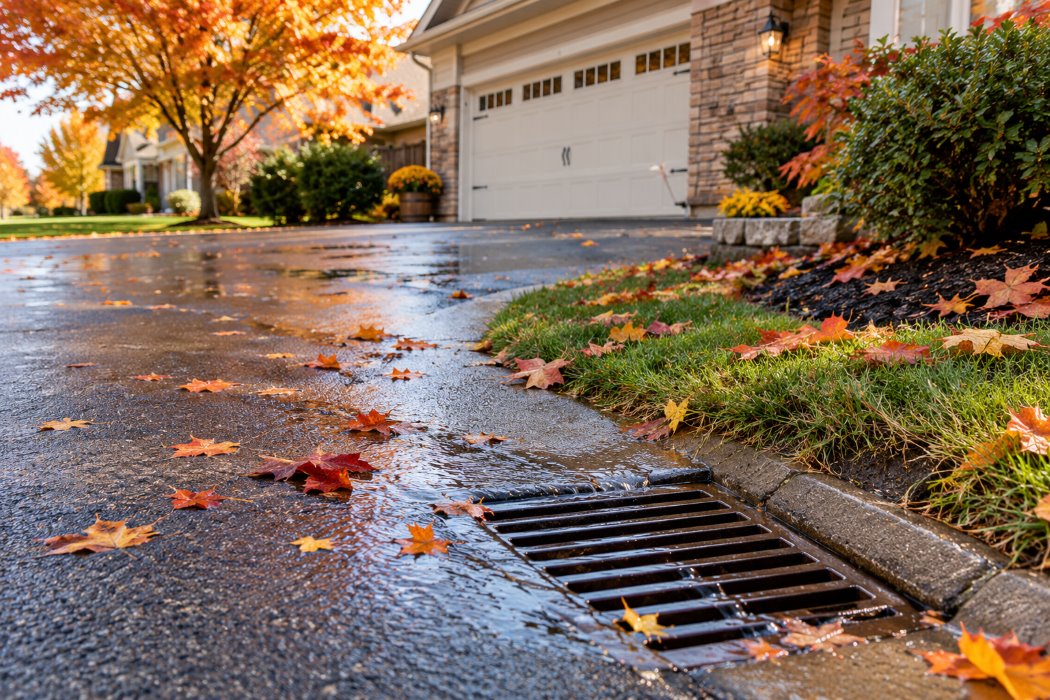
Leaves and debris can collect around drainage openings and make them harder to inspect. Check accessible features from a safe position and note anything obstructed or damaged. Do not enter a culvert or attempt unfamiliar excavation. A contractor can assess whether cleaning, repair, or a different improvement is appropriate.
What should I send when requesting a drainage assessment?
Send the address, photographs, a short description of when the problem occurs, and a history of previous repairs. Include information about buildings, culverts, vehicle access, and future construction plans. A rough sketch showing visible water paths can help, although it does not replace an on-site evaluation.
Who provides driveway and drainage work in Central Kentucky?
Siteworx Land Clearing & Excavation, LLC serves Lancaster and Central Kentucky with drainage, driveway, culvert, and related excavation services. Contact the company to discuss your location and project needs. The recommended scope and schedule should reflect the property assessment rather than a universal driveway repair package.
Turn Fall Observations Into a Practical Plan
If driveway drainage is making access difficult or causing repeated repairs, contact Siteworx at 859-715-0582. Share your photographs and property plans to start a conversation about suitable drainage and excavation work.
